
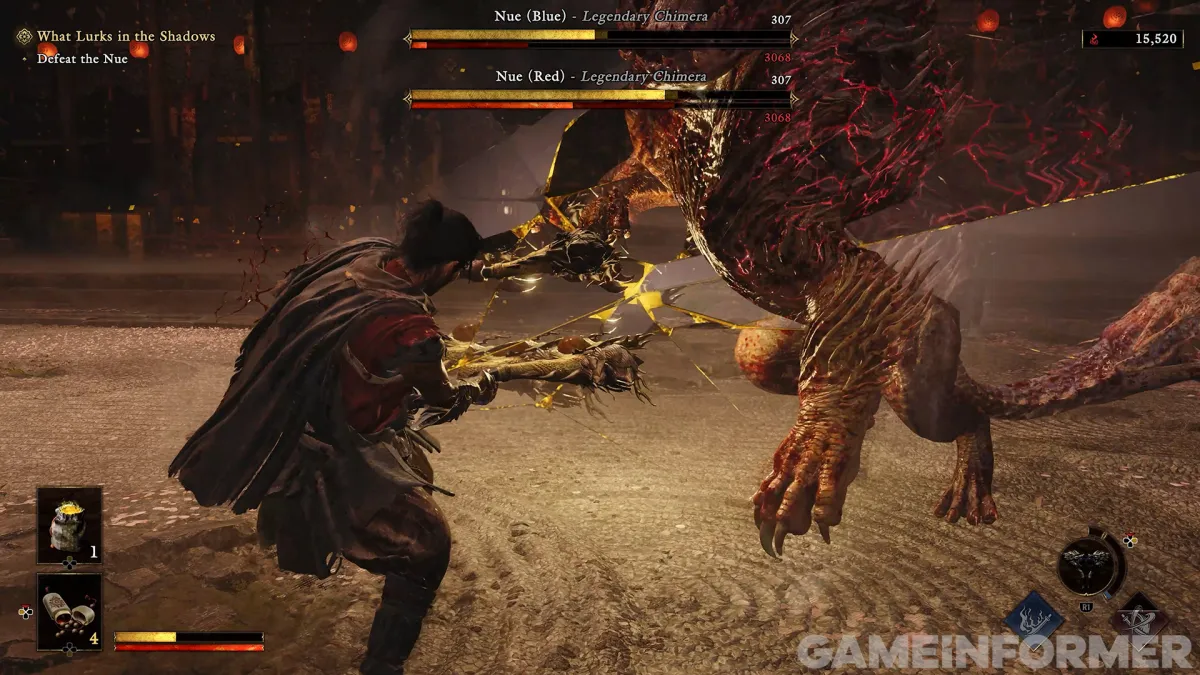
Onimusha: Way of the Sword is the latest game to grace the cover of Game Informer, and alongside my cover story, which subscribers can read right here, we’re highlighting many of the things we learned over the next couple of weeks. Already, our hub for the game is chock-full of exclusive features, interviews, and more, with videos on the way.
One of my interviews while visiting Capcom’s HQ in Osaka, Japan, was with Way of the Sword animation team lead Hiroshi Yugen. We spoke about how the team crafted its own unique version of the historical Japanese samurai Miyamoto Musashi, among other topics. We also discussed Capcom’s RE Engine and how it held up for developing Way of the Sword, and learned in the process that the team had to consult engineers within the company to create a brand-new system for the game.
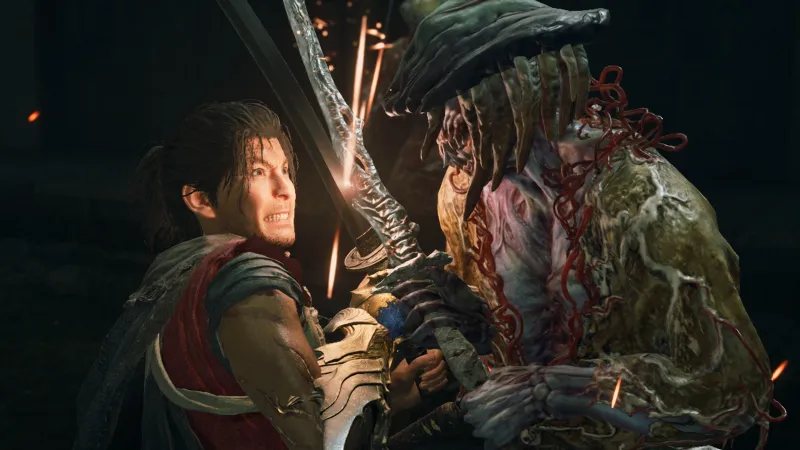
The RE Engine is not the Resident Evil Engine, despite RE typically being shorthand for the series and Resident Evil being Capcom’s most iconic series. The RE Engine, also known as the Reach for the Moon Engine, has been around for more than a decade. Resident Evil 7: Biohazard, which started a renaissance for Resident Evil games and arguably Capcom in general, was the first game to use it; since then, every Resident Evil game has been developed in it, as have other titles: 2023’s Street Fighter 6 and Exoprimal, 2024’s Dragon’s Dogma 2 and Kunitsu-Gami: Path of the Goddess, and last year’s Monster Hunter Wilds. Even this year’s Resident Evil Requiem, Monster Hunter Stories 3: Twisted Reflection, and Pragmata were developed in the RE Engine.
Way of the Sword is the next game Capcom will release, developed using this engine, and I spoke to Yugen about how the engine held up, given that this Onimusha sequel features action much faster than the aforementioned games.
“We didn’t actually have any limitations posed upon us when developing Onimusha using the RE Engine,” Yugen tells me. “On the complete opposite end of the scale, there was actually a new feature that hadn’t been really done in any other game.”
That feature he’s referring to is the Dynamic Dismemberment System. It’s how Musashi can slice Genma enemies in two, slash through flesh that tears apart, and cut through arms, heads, and more. Way of the Sword reacts to that under the hood with visceral animations that create satisfying deaths for every single Genma in the game, assuming you deplete their stamina like a proper samurai and use Break Issen or one of Musashi’s other finishing moves.
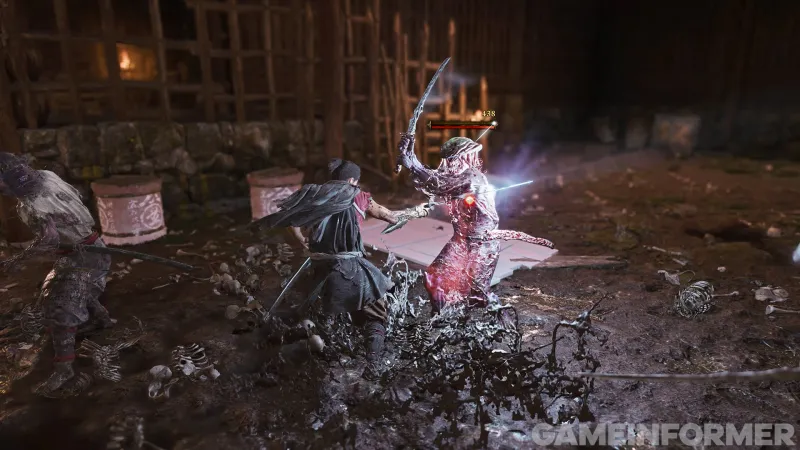
“[This dismemberment] is not something that’s existed in any other title before, and it’s something that, on a technical level, needed to be added to the RE Engine [by Capcom’s engineers],” Yugen says. “Adding this feature was quite difficult because we wanted to combine it with the enemy deaths. In a lot of samurai dramas, they have a very exaggerated classic death where they are on screen for an extra five or six seconds and then slowly fall to the ground. To have that together with this dynamic dismemberment system on a technical level is quite tricky, so it’s something we really had to ask the programmers to introduce.”
He adds that in the early stages of the project, the team attempted dismemberment, but this early iteration caused the enemy to freeze. “It wasn’t animated enough,” Yugen recalls saying. “But I was very adamant. I want them to be moving at the same time as having that effect.”
If you haven’t seen the dynamic dismemberments in action yet, I highly recommend checking out the Way of the Sword demo that’s available right now. Complete a special move, like a Break Issen, and pay close attention to how the Genma’s body and flesh react to Musashi’s attack – it’s grody, but also amplifies the swordplay in a unique way.
I’ll continue diving deeper into Capcom’s return to Onimusha as part of Game Informer’s month of Way of the Sword coverage. We’ll be publishing exclusive gameplay and behind-the-scenes videos (including a Rapid-Fire Interview) on the Game Informer YouTube channel as well. Keep an eye on the Onimusha: Way of the Sword coverage hub so you don’t miss any of it.
In the meantime, here’s some additional Onimusha: Way of the Sword reading for you:
What do you think of the new Genma designs in Onimusha: Way of the Sword? Let us know in the comments below!